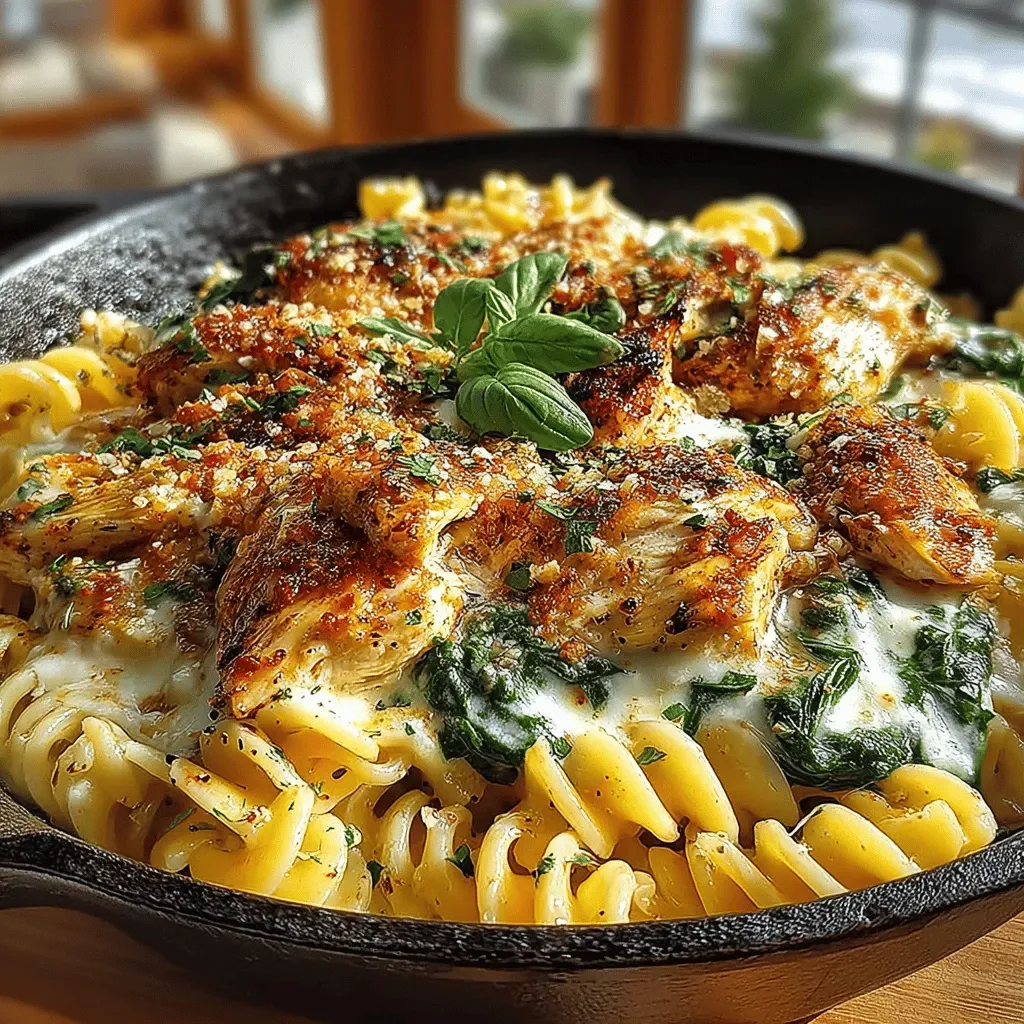
It was a chilly Saturday in late October when my grandmother first taught me the art of layering love into a pan. I remember the kitchen bathed in the golden glow of the setting sun, the scent of simmering tomatoes mingling with the faint perfume of fresh basil drifting through the air. As we lifted the heavy lid off the pot, a cloud of fragrant steam rose like a warm hug, and I could almost hear the clink of the wooden spoon against the stainless steel. That moment—when the sauce turned a deep, velvety ruby and the kitchen seemed to hold its breath—has lived with me ever since, and it’s exactly the feeling I want you to capture with this Lasagna Bolognese.
What makes this lasagna stand out from the countless versions you see on restaurant menus is its unapologetic devotion to depth. We’re not just throwing together noodles and sauce; we’re building layers of flavor that develop over time, each one adding its own texture and aroma. From the sweet, caramelized onions that form the aromatic base, to the silky splash of whole milk that rounds out the meat, every component has a purpose. The result is a dish that sings with a chorus of umami, a hint of acidity, and a comforting creaminess that makes you want to curl up with a fork and a glass of red wine.
But wait—there’s a secret trick that takes this lasagna from “good” to “extraordinary,” and I’ll reveal it in step four of the cooking process. Trust me, you’ll want to keep reading because that little extra step changes the entire texture of the sauce, making it luxuriously thick without ever becoming gummy. And if you’ve ever wondered why the lasagna you get at a high‑end Italian trattoria tastes so much richer than a home‑cooked version, the answer lies in a handful of details that most home cooks overlook.
Imagine the moment when you pull the tray from the oven, the cheese bubbling and turning a gorgeous golden‑brown, the edges crisped just enough to give a satisfying crunch. Your family gathers around the table, the first bite releasing steam that carries the scent of garlic, tomato, and a whisper of fresh parsley. Their eyes widen, forks pause mid‑air, and you hear that familiar “Mmm” that says it all. Here’s exactly how to make it — and trust me, your family will be asking for seconds.
🌟 Why This Recipe Works
- Flavor Depth: By sautéing the aromatics until they’re caramelized, we coax out natural sugars that give the sauce a sweet‑savory backbone, balancing the acidity of the tomatoes.
- Texture Harmony: The combination of ground beef and a splash of milk creates a tender, melt‑in‑your‑mouth meat layer that stays juicy even after baking.
- Ease of Execution: Although the recipe sounds elaborate, each step is straightforward and can be prepared in advance, making it perfect for busy weeknights or relaxed weekends.
- Time Efficiency: The sauce simmers while the noodles boil, so you’re essentially multitasking without feeling rushed, and the total active time stays under an hour.
- Versatility: Swap out the ground beef for turkey or a plant‑based alternative, and the dish adapts without losing its soul‑satisfying character.
- Nutrition Boost: Using lean beef, low‑sodium broth, and a modest amount of cheese keeps the dish balanced, delivering protein without overwhelming fat.
- Ingredient Quality: Fresh mozzarella and a good-quality crushed tomato can turn a simple sauce into a restaurant‑level masterpiece.
- Crowd‑Pleaser Factor: Layered dishes like lasagna naturally invite sharing, making it ideal for family gatherings, potlucks, or even a cozy date night at home.
🥗 Ingredients Breakdown
The Foundation: Aromatics & Base
2 tablespoon extra‑virgin olive oil: This is the silent hero that carries the flavor of everything else. Choose a cold‑pressed, fruit‑forward olive oil for a buttery note that won’t overpower the meat. If you’re on a budget, a light olive oil works fine, but avoid generic “spray” oils—they won’t give the same depth.
1 large onion: The onion is the aromatic backbone. When diced finely and sautéed slowly, it releases natural sugars that caramelize, adding a subtle sweetness that balances the acidity of the tomatoes. For a milder flavor, you can use a sweet Vidalia onion.
1 large carrot: Carrots bring a hidden sweetness and a hint of earthiness. Grating them finely ensures they melt into the sauce, thickening it without leaving noticeable chunks. If you’re missing a carrot, a small piece of parsnip works as a substitute.
2 stalks celery: Celery adds a crisp, aromatic bite that brightens the sauce. Dice it small so it integrates fully; the fibrous texture disappears as it cooks down. Fresh celery is best, but frozen diced celery can be used in a pinch.
Aromatics & Spices: The Flavor Boosters
3 cloves garlic: Garlic gives that unmistakable savory punch. Mince it just before adding to the pan so the oils release instantly, but be careful not to burn—it turns bitter in seconds. If you love garlic, add an extra clove for a bolder profile.
½ cup dry white wine: The wine deglazes the pan, lifting browned bits (fond) and infusing the sauce with acidity that balances the richness of the beef. Choose a dry, crisp wine like Sauvignon Blanc; avoid sweet varieties.
2 28‑oz cans crushed tomatoes: The crushed tomatoes provide the body of the sauce. Look for brands that list “San Marzano” for a sweeter, less acidic flavor. If you prefer a chunkier texture, use diced tomatoes and blend half of them.
¼ cup tomato paste: Tomato paste concentrates the tomato flavor, adding depth and a dark, glossy color. Fry it briefly with the aromatics to unlock its umami. Skipping this step will result in a thinner, less robust sauce.
The Secret Weapons: Liquids & Seasonings
1 cup low‑sodium beef or chicken broth: The broth adds moisture and a subtle savory backdrop without making the sauce salty. Homemade broth is ideal, but a good-quality store‑bought one works just as well.
1 bay leaf: The bay leaf imparts a subtle, herbal fragrance that rounds out the sauce. Remember to remove it before assembling the lasagna, or you’ll end up with a bitter bite.
1 cup whole milk: Milk softens the acidity of the tomatoes and makes the meat tender. It also adds a silky mouthfeel that you’ll notice in every bite. If you’re dairy‑free, a splash of oat milk can substitute, though the texture will change slightly.
Kosher salt & Freshly ground black pepper: Seasoning is the art of balancing flavors. Add salt gradually, tasting as you go, and finish with a generous grind of black pepper for a gentle heat.
Finishing Touches: Noodles, Cheeses & Herbs
1 lb lasagna noodles: Traditional dried noodles are sturdy and hold up well during baking. If you have time, consider boiling them al dente and then rinsing with cold water to stop cooking—this prevents over‑softening in the oven.
3 cups ricotta: Ricotta adds a creamy, slightly tangy layer that balances the richness of the meat. For a richer texture, choose whole‑milk ricotta; part‑skim works if you’re watching calories.
1 large egg: The egg binds the ricotta, preventing it from weeping during baking. Beat it lightly before folding into the ricotta for an even distribution.
1 cup freshly grated Parmesan: Parmesan contributes a nutty, salty edge that deepens the overall flavor. Grate it yourself for the best aroma; pre‑grated cheese often contains anti‑caking agents that affect melt.
1 ½ teaspoon dried oregano & ¼ teaspoon crushed red pepper flakes: Oregano adds a classic Italian herb note, while red pepper flakes give a subtle heat that awakens the palate. Adjust the flakes to your spice tolerance.
1 lb fresh mozzarella: Mozzarella provides the gooey, melty finish that makes lasagna irresistible. Tear it into pieces rather than shredding to create pockets of cheese that burst when you bite.
Freshly chopped parsley: A sprinkle of parsley at the end adds a fresh, bright contrast to the rich layers. It also adds a splash of color that makes the dish look as good as it tastes.
With your ingredients prepped and ready, let's get cooking. Here's where the fun really begins, and trust me, you’ll discover a few hidden gems along the way that will make this lasagna unforgettable.

🍳 Step-by-Step Instructions
Heat the extra‑virgin olive oil in a large Dutch oven over medium heat. Add the diced onion, carrot, and celery, and sauté for about 8‑10 minutes, stirring occasionally, until the vegetables are soft and the onion turns a translucent golden hue. You’ll hear a gentle sizzle that tells you the aromatics are beginning to caramelize. Pro Tip: If you cover the pot for the first 5 minutes, the steam will help the veggies soften faster without burning.
Stir in the minced garlic and cook for another 1‑2 minutes until fragrant, being careful not to let it brown. The aroma should fill the kitchen, reminding you of a Mediterranean garden. Then, add the ground beef, breaking it up with a wooden spoon, and brown it until no pink remains—about 6‑8 minutes. As the meat releases its juices, you’ll notice the pan deglazing itself, creating a rich, brown fond.
Now comes the secret trick: pour in the dry white wine, scraping the bottom of the pot to lift all the browned bits. Let the wine reduce by half, which should take about 3‑4 minutes. This step concentrates the flavor and adds a subtle acidity that balances the sauce later. Common Mistake: Skipping the reduction will leave the sauce thin and lacking depth.
Add the crushed tomatoes, tomato paste, and low‑sodium broth. Stir in the bay leaf, then bring the mixture to a gentle boil. Reduce the heat to low and let it simmer uncovered for 30‑35 minutes, stirring occasionally. You’ll see the sauce thicken, the colors deepen, and a sweet aroma rise—signs that the flavors are marrying beautifully.
While the sauce simmers, whisk the whole milk into the meat mixture, allowing it to melt into the sauce. This is the moment the sauce becomes luxuriously silky. Add a generous pinch of kosher salt and freshly ground black pepper, tasting and adjusting as needed. Pro Tip: Finish seasoning with a splash of the broth if the sauce looks too thick; you can always reduce it again later.
In a large bowl, combine the ricotta, beaten egg, half of the grated Parmesan, dried oregano, crushed red pepper flakes, and a pinch of salt and pepper. Mix until smooth; the egg will act as a binder, preventing the ricotta from weeping during baking. Did You Know? Adding a pinch of nutmeg to ricotta can add a subtle warmth that complements the Bolognese.
Bring a large pot of salted water to a boil and cook the lasagna noodles according to package instructions until al dente. Drain them and lay them flat on a clean kitchen towel to prevent sticking. While the noodles rest, preheat your oven to 375°F (190°C). The noodles should be pliable but not mushy—this ensures they hold their shape in the final bake.
Begin assembling the lasagna in a 9×13‑inch baking dish. Spread a thin layer of the Bolognese sauce on the bottom to prevent sticking. Lay three noodles over the sauce, then dollop a third of the ricotta mixture, spreading it gently. Sprinkle a handful of torn mozzarella, a drizzle of sauce, and a sprinkle of Parmesan. Repeat the layers two more times, ending with a generous blanket of sauce, mozzarella, and the remaining Parmesan on top.
Cover the dish tightly with aluminum foil and bake for 25 minutes. Then, remove the foil and bake an additional 15‑20 minutes, or until the cheese is bubbling and turns a beautiful golden brown. The edges should be slightly crisp, giving you that satisfying crunch when you cut into it.
Allow the lasagna to rest for at least 10 minutes before slicing. This resting period lets the layers set, making it easier to serve clean, defined squares. Garnish with freshly chopped parsley for a pop of color and a fresh herbal note. And the result? A steaming, aromatic masterpiece that will have everyone reaching for seconds.
🔐 Expert Tips for Perfect Results
The Taste Test Trick
Before you assemble the lasagna, take a spoonful of the Bolognese sauce and taste it. This is your chance to adjust seasoning—add a pinch more salt, a dash of pepper, or even a splash of balsamic vinegar if the acidity feels off. I once served a batch that was a shade too bland, and a quick taste test saved the dinner. Remember, the sauce’s flavor intensifies as it bakes, so aim for a slightly bolder profile now.
Why Resting Time Matters More Than You Think
After the lasagna emerges from the oven, resist the urge to dive in immediately. Letting it sit for 10‑15 minutes allows the cheese to set and the sauce to thicken, preventing a watery slice. The result is clean, tidy portions that hold their shape on the plate. Trust me, the extra patience makes a world of difference in presentation.
The Seasoning Secret Pros Won’t Tell You
A pinch of freshly grated nutmeg in the ricotta mixture adds a warm, subtle depth that pairs beautifully with the milk and cheese. It’s a secret I picked up from a culinary school professor, and it never fails to impress. Just a whisper—about ¼ teaspoon—is enough to elevate the entire dish.
Layering Logic: How Much Sauce Is Too Much?
When assembling, aim for a thin but even coat of sauce between each noodle layer. Too much sauce makes the lasagna soggy; too little leaves it dry. A good rule of thumb is to use about ¼ cup of sauce per noodle sheet, spreading it gently with the back of a spoon.
The Cheese Melt Mastery
Tear the mozzarella into pieces rather than shredding it. The larger pieces melt into glorious pockets of gooey goodness, creating a more interesting texture than a uniform melt. I once tried pre‑shredded mozzarella and found it released too much moisture, making the top layer watery.
Final Finish: Fresh Herbs
A light sprinkle of fresh parsley right before serving adds a bright, herbaceous contrast that cuts through the richness. For an extra pop of flavor, you can also add a few torn basil leaves. I love the visual pop and the hint of peppery freshness they bring.
🌈 Delicious Variations to Try
One of my favorite things about this recipe is how versatile it is. Here are some twists I've tried and loved:
Mushroom‑Infused Bolognese
Swap half of the ground beef for finely chopped cremini mushrooms. The mushrooms add an earthy umami that deepens the sauce, making it perfect for vegetarians who still crave that meaty richness. The texture becomes more complex, and the dish takes on a rustic, forest‑floor vibe.
Spicy Arrabbiata Layer
Add a spoonful of arrabbiata sauce to the bottom layer for a fiery kick. The extra red pepper flakes and crushed tomatoes give the lasagna a bold, spicy edge that pairs wonderfully with the cool ricotta. It’s a great option for those who love a little heat.
White Lasagna with Spinach
Replace the red sauce with a béchamel and fold in fresh spinach leaves. The creamy white sauce offers a milder flavor, while the spinach adds a pop of color and a nutritious boost. This variation is perfect for a lighter, spring‑time dinner.
Cheesy Four‑Cheese Delight
Incorporate a blend of mozzarella, provolone, fontina, and Parmesan for a decadent, melty experience. Each cheese contributes its own texture—some stretch, some melt smoothly—resulting in a truly luxurious bite. Just be mindful of the salt level, as the cheeses bring their own seasoning.
Gluten‑Free or Zucchini Noodles
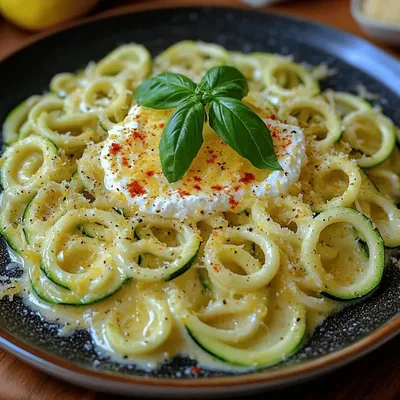
Swap the traditional lasagna noodles for thinly sliced zucchini or gluten‑free pasta sheets. The zucchini adds a subtle sweetness and reduces the carb count, while still holding up well if you pre‑salt the slices to draw out excess moisture. This version is a hit for health‑conscious diners.
Herb‑Infused Ricotta
Mix fresh chopped basil, thyme, and a pinch of rosemary into the ricotta before layering. The herbaceous notes weave through each bite, brightening the overall flavor profile. It’s a simple tweak that makes the dish feel garden‑fresh.
📦 Storage & Reheating Tips
Refrigerator Storage
Allow the lasagna to cool to room temperature (no longer than two hours), then cover tightly with plastic wrap or aluminum foil. Store in the refrigerator for up to 4 days. When reheating, keep the cover on for the first 10 minutes to retain moisture, then uncover to crisp the top.
Freezing Instructions
For longer storage, wrap the cooled lasagna in a double layer of foil and then place it in a freezer‑safe bag. It will keep for up to three months. To reheat, thaw overnight in the fridge, then bake at 375°F (190°C) for 30‑35 minutes, covered, followed by 10 minutes uncovered to re‑crisp the cheese.
Reheating Methods
Microwave reheating works in a pinch—place a slice on a microwave‑safe plate, cover with a damp paper towel, and heat on medium power for 2‑3 minutes. For the best texture, use the oven: preheat to 350°F (175°C), add a splash of broth or water to the dish, cover with foil, and bake for 20 minutes, then uncover for the final 5 minutes.