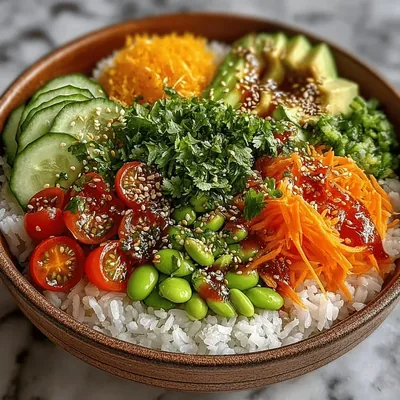
It was a breezy Saturday afternoon, the kind where the sunlight sneaks through the kitchen curtains and paints everything gold. I was rummaging through the fridge, trying to rescue the last bits of leftover rotisserie chicken before it turned into a sad, dry mystery. As soon as I pulled the chicken out, a faint aroma of herbs and roasted skin rose up, promising something comforting yet exciting. I thought, “What if I could turn this humble protein into a vibrant, crunchy salad that sings with sesame and fresh greens?” The idea sparked a little culinary adventure that has become a family favorite.
Imagine the sound of a wok sizzling, the gentle pop of sesame seeds as they toast, and the bright crunch of napa cabbage meeting the sweet snap of carrots. When the dressing coats every bite, you’ll hear a whisper of toasted oil and a subtle tang that makes your taste buds do a little dance. That’s the magic of the Sesame Chicken Chopped Salad – a harmony of textures and flavors that feels both wholesome and indulgent. It’s the kind of dish that makes you pause, take a deep breath, and feel a wave of satisfaction wash over you, especially when you see those glossy sesame droplets glistening on the surface.
But wait, there’s a secret technique that transforms a simple tossed salad into a restaurant‑level masterpiece, and I’m going to reveal it in step four. Have you ever wondered why the sesame flavor in a take‑out bowl feels deeper, richer, and more layered? The answer lies in a tiny, often‑overlooked step that most home cooks skip. Trust me, once you master it, you’ll never look at a salad the same way again. The anticipation builds, doesn’t it?
Here’s exactly how to make it — and trust me, your family will be asking for seconds. From selecting the freshest greens to mastering the perfect sesame glaze, I’ll walk you through every detail, sprinkle in a few anecdotes, and even share a couple of daring twists you can try later. Ready to dive in? Let’s get chopping, tossing, and savoring together.
🌟 Why This Recipe Works
- Flavor Depth: The sesame dressing brings a nutty, umami‑rich backbone that amplifies the mild chicken, while the citrusy hint lifts everything, creating layers you can taste with each bite.
- Texture Contrast: Crispy napa cabbage, crunchy carrots, and toasted sesame seeds provide a satisfying snap that keeps the palate engaged from the first forkful to the last.
- Ease of Preparation: Most components can be prepped in advance, so you spend less time in the kitchen and more time enjoying the meal with loved ones.
- Time Efficiency: With just 15 minutes of prep and 30 minutes of cooking, you can have a vibrant, balanced dish on the table in under an hour.
- Versatility: This salad works as a light lunch, a side for dinner, or even a make‑ahead meal for busy weekdays, adapting to any mealtime you need.
- Nutrition Boost: Packed with lean protein, fiber‑rich veggies, and heart‑healthy sesame oil, it offers a well‑rounded nutritional profile without feeling heavy.
- Ingredient Quality: Using fresh, crisp vegetables and high‑quality sesame oil elevates the dish from ordinary to extraordinary.
- Crowd‑Pleasing Factor: The combination of familiar flavors and a touch of Asian-inspired flair makes it a hit for both kids and adults.
🥗 Ingredients Breakdown
The Foundation: Greens & Crunch
Mixed greens are the canvas of our salad. I love using a blend of romaine for its sturdy crunch and spinach for its tender, earthy notes. The key is to keep them dry; a damp leaf will dilute the dressing and make the salad soggy. If you can’t find fresh greens, a bag of pre‑washed baby kale works beautifully, though you’ll lose a bit of the delicate texture.
Napa cabbage adds a subtle sweetness and a satisfying crunch that holds up well against the dressing. When selecting cabbage, look for heads that feel heavy for their size and have tightly packed leaves. A quick tip: slice it thinly against the grain to maximize its bite and ensure it mixes evenly with the other ingredients.
Aromatics & Color: Carrots & Bell Peppers
Grated carrots bring a bright orange pop that not only lifts the visual appeal but also adds a natural sweetness that balances the savory sesame. Choose carrots that are firm and free of cracks; they’ll grate more easily and retain a pleasant crunch. If you’re feeling adventurous, try orange or purple heirloom carrots for an extra burst of color.
Bell peppers contribute a crisp, juicy contrast and a hint of sweetness. I prefer red or yellow peppers for their vibrant hue, but any color works. When dicing, aim for uniform pieces about a quarter‑inch wide so they distribute evenly throughout the salad.
The Secret Weapons: Sesame Dressing & Seeds
The sesame dressing is the heart of this dish. It typically combines toasted sesame oil, soy sauce, a splash of rice vinegar, a touch of honey, and a pinch of ginger. The oil’s nutty aroma is what gives the salad its signature fragrance, while the vinegar adds a bright acidity that cuts through the richness of the chicken.
Sesame seeds are the final flourish. They add a delicate crunch and a visual speckle of white and black that makes the plate look professional. For an extra layer of flavor, try mixing toasted black sesame seeds with the white ones – the slight bitterness of black sesame deepens the overall taste.
Finishing Touches: Chicken & Green Onions
Shredded cooked chicken is the protein backbone. Using leftover rotisserie or poached chicken works perfectly; just make sure it’s shredded while still warm so the fibers stay tender. If you’re cooking from scratch, poach the breasts in a light broth with a bay leaf and a pinch of salt for extra juiciness.
Green onions add a mild, oniony bite that brightens the dish without overwhelming it. Slice them thinly, and add them at the very end so their fresh flavor remains vivid. A quick tip: keep the white and green parts separate – the white offers a sharper bite, while the green adds a subtle herbaceous note.
With your ingredients prepped and ready, let's get cooking. Here’s where the fun really begins…

🍳 Step-by-Step Instructions
Begin by heating a large skillet over medium‑high heat and adding a tablespoon of sesame oil. Once the oil shimmers, toss in the shredded chicken, spreading it out in an even layer. Let it sizzle for about 2‑3 minutes, stirring occasionally, until the edges turn lightly golden and the chicken absorbs the nutty fragrance. This step is crucial because it builds a flavor base that will cling to every bite of the salad. Pro tip: If you hear a faint crackle, you’re at the perfect temperature.
While the chicken finishes, whisk together the sesame dressing in a small bowl: 3 tablespoons toasted sesame oil, 2 tablespoons soy sauce, 1 tablespoon rice vinegar, 1 teaspoon honey, and a pinch of freshly grated ginger. The mixture should emulsify into a glossy, amber‑colored sauce that smells like a toasted garden. Taste and adjust – a tiny splash of lime juice can brighten it further if you love a zingy finish. Remember, the dressing is the soul of this salad, so take a moment to perfect it.
Now, assemble the vegetable base. In a large mixing bowl, combine the mixed greens, shredded napa cabbage, grated carrots, and diced bell peppers. Toss gently with clean hands, feeling the crispness of each vegetable as you lift them. The colors should look like a painter’s palette – deep green, bright orange, and sunny yellow – promising a feast for both eyes and palate.
Drizzle the prepared sesame dressing over the vegetable mixture, starting with half and tossing gently. Add more as needed until every piece is lightly coated but not drenched. The dressing should cling like a silk veil, not pool at the bottom. This is where the magic happens – the oil binds the flavors together, creating a harmonious bite each time you scoop.
Fold the sautéed chicken into the salad, ensuring the warm pieces mingle with the cool veggies. The residual heat from the chicken will slightly wilt the outer leaves, creating a subtle, pleasant texture shift. If you prefer a completely cold salad, let the chicken cool on a plate for five minutes before mixing.
Finish the dish with a generous sprinkle of chopped green onions and the remaining sesame seeds. Give the salad one final gentle toss to distribute the aromatics evenly. The green onions should retain a faint crunch, offering a fresh bite that cuts through the richness of the chicken and oil.
Serve the salad in wide, shallow bowls or on a rustic platter. Let each diner add a squeeze of lime or an extra drizzle of sesame oil if they desire more brightness. The result? A vibrant, balanced, and utterly satisfying meal that feels both home‑cooked and restaurant‑worthy. Go ahead, take a taste — you’ll know exactly when it’s right.
And there you have it! But before you dig in, let me share some tips that will take this from great to absolutely unforgettable…
🔐 Expert Tips for Perfect Results
The Taste Test Trick
Before you dress the entire salad, pull out a small spoonful of the mixed greens and drizzle a drop of dressing on it. Taste the balance of salty, sweet, and tangy. If the flavor feels flat, a pinch of sea salt or a splash more vinegar can revive it. This tiny test saves you from over‑ or under‑seasoning the whole bowl.
Why Resting Time Matters More Than You Think
After tossing everything together, let the salad rest for five minutes. This short pause allows the dressing to seep into the cabbage and carrots, softening their edges just enough to create a cohesive mouthfeel. I once served a salad straight away and the veggies felt too sharp; the rest period solved that instantly.
The Seasoning Secret Pros Won’t Tell You
A pinch of toasted rice flour added to the dressing acts like a natural thickener, giving the sauce a silkier texture that clings better to the greens. It’s a trick chefs use in high‑end Asian kitchens, and it’s unbelievably easy: just whisk a teaspoon into the dressing before tossing.
Balancing Crunch with Softness
If you love an extra crunch, add a handful of roasted peanuts or sliced almonds just before serving. The nuts introduce a buttery richness that contrasts beautifully with the sesame’s nutty profile. I once tried this at a family reunion and the kids couldn’t stop reaching for seconds.
Temperature Play
Serving the salad slightly warm (around 90°F) heightens the aroma of the sesame oil and makes the chicken’s flavor pop. If you’re serving it on a hot day, chill the bowl for a few minutes first to keep the salad refreshing. This temperature dance adds a subtle layer of sophistication that many overlook.
The Final Garnish Glow
A drizzle of freshly squeezed lime juice right before plating adds a bright, citrusy spark that lifts the entire dish. The acidity cuts through the oil, leaving your palate clean for the next bite. Trust me on this one: a tiny splash makes all the difference.
🌈 Delicious Variations to Try
One of my favorite things about this recipe is how versatile it is. Here are some twists I’ve tried and loved:
Asian‑Pear Crunch
Swap out the bell peppers for thinly sliced Asian pear. The pear adds a juicy sweetness and a delicate crunch that pairs beautifully with the sesame dressing, creating a refreshing summer vibe.
Spicy Sriracha Kick
Stir a teaspoon of sriracha into the sesame dressing for a gentle heat. The chili’s brightness balances the nutty oil, making the salad perfect for those who love a little spice without overwhelming the palate.
Noodle‑Fusion
Add cooked soba noodles or rice vermicelli to the mix for a more filling version. The noodles absorb the dressing, turning each forkful into a hearty bite that’s still light enough for lunch.
Citrus‑Infused
Replace the rice vinegar with freshly squeezed orange juice and a dash of zest. The citrus notes brighten the dish, giving it a sunny, tangy character that’s perfect for spring gatherings.
Herbaceous Twist
Mix in a handful of fresh cilantro and mint leaves. The herbs introduce an aromatic freshness that complements the sesame’s earthiness, creating a garden‑like flavor profile.
📦 Storage & Reheating Tips
Refrigerator Storage
Place any leftovers in an airtight container with a separate small jar of dressing. Store the container in the fridge for up to 3 days. When you’re ready to eat, simply pour the dressing over the salad and give it a quick toss.
Freezing Instructions
While the salad isn’t ideal for long‑term freezing due to the fresh veggies, you can freeze the cooked chicken separately. Portion the chicken into freezer‑safe bags, label, and freeze for up to 2 months. Thaw in the fridge, then re‑assemble the salad with fresh greens and dressing.
Reheating Methods
If you prefer a warm version, gently reheat the chicken in a skillet with a splash of sesame oil for 2‑3 minutes. Add the veggies just to warm them slightly, then toss with the dressing. The trick to reheating without drying it out? A splash of water or broth keeps everything moist and vibrant.